
Cloghoge River
The Cloghoge River, which rises on the south slopes of Tonduff Mountain near the Sally Gap is the Avoca’s headwater stream that is furthest from the sea (42 km as the crow flies).
It flows down to Lough Tay and then to Lough Dan, which also receives the Inchavore River draining the heavily forested Inchavore valley.
In the valley of the Cloghoge River as far as Lough Tay, the bedrock is mainly schist, but from there up to the Cloghoge’s source on Tonduff Mountain and beyond lies the great mass of Wicklow granite rocks, the largest in north-west Europe, which forms the distinctive rounded Wicklow mountains.
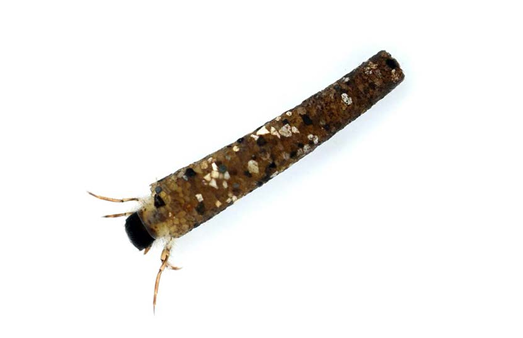
Discover the diverse aquatic invertebrates in the Avoca–Avonmore catchment — insects, crustaceans, snails, worms and more that form the foundation of freshwater food webs. Learn how species like mayflies, stoneflies and caddisflies signal water quality, support fish and reflect the ecological health of rivers and lakes across the catchment.
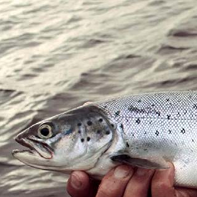
Explore the variety of fish species in the Avoca–Avonmore catchment — from brown trout, eel and lamprey in freshwater to migratory sea trout. Learn how river conditions, food availability and historic pressures like mining have shaped fish populations, and why restoring habitat and passage could help support salmon and other native species.

Learn about the rivers and lakes that shape the Avoca–Avonmore catchment — from upland, nutrient‑poor oligotrophic lakes like Lough Dan and Lough Tay to rivers flowing through rocky valleys. Understand how geology influences water chemistry and ecology, and why these interconnected waterbodies are important for biodiversity and landscape character.

Explore the rich biodiversity of the Avoca–Avonmore catchment across upland heaths, oak woodlands, wetlands and river valleys. Learn how protected sites like SACs and SPAs conserve habitats and wildlife including otters, birds and aquatic species, and how community and conservation actions contribute to resilient ecosystems across this diverse landscape.

Discover the Avoca River, formed at the Meeting of the Waters where the Avonmore and Avonbeg join and flowing to the Irish Sea at Arklow. Learn about its natural beauty, historic challenges from mining pollution, and the ecological importance of its headwaters and tributaries. The Avoca’s waters sustain habitats and communities across East Wicklow’s largest catchment.

Explore the Avonmore River, rising from Lough Dan in the Wicklow Mountains and flowing through wooded valleys before joining the Avonbeg at the Meeting of the Waters to form the Avoca. Discover its scenic route past Rathdrum and Avondale, its role in the catchment’s hydrology, and its importance for river habitats and local wildlife.

Learn about the Avonbeg River, a key tributary of the Avoca system rising in the Wicklow Mountains and flowing through Glenmalure before meeting the Avonmore at the Meeting of the Waters. Discover its ecological character, contribution to the catchment’s flow regime, and role in supporting freshwater habitats and native fish populations.

Explore the Cloghoge River, the most distant headwater of the Avoca catchment rising near the Sally Gap. Flowing from mountain slopes into Lough Tay and Lough Dan, it drains upland terrain shaped by granite and schist and contributes to the Avonmore system. This tributary supports upland river habitats and connects high mountain landscapes to catchment waters.

Discover the history and environmental impact of the Avoca Mines, once a major copper and sulphur mining area in Wicklow. Learn how historic mining altered landscapes, created spoil heaps, and continues to influence river water quality through acid mine drainage, affecting aquatic life. Explore how ongoing monitoring and remediation efforts aim to improve conditions in the Avoca River.