East Wicklow Rivers Trust
Protecting, conserving and improving Wicklow’s surface water bodies
The East Wicklow Rivers Trust formed in 2019 from a core group of people who had come together with concerns about the impact of water flow on the Vartry river.
The Trust covers an area of over 1300 square kilometers, stretching from Bray to Arklow. Our area of interest includes the Vartry, Avoca, and Dargle rivers, and all the other rivers, streams, lakes and wetlands that flow to the Irish Sea in County Wicklow.
Trusts are independent community-led charitable organisations that delivery education, water management advice and practical conservation work.
Events
Keep an eye out here for upcoming events, and sign up for our mailing list at the bottom of this page!
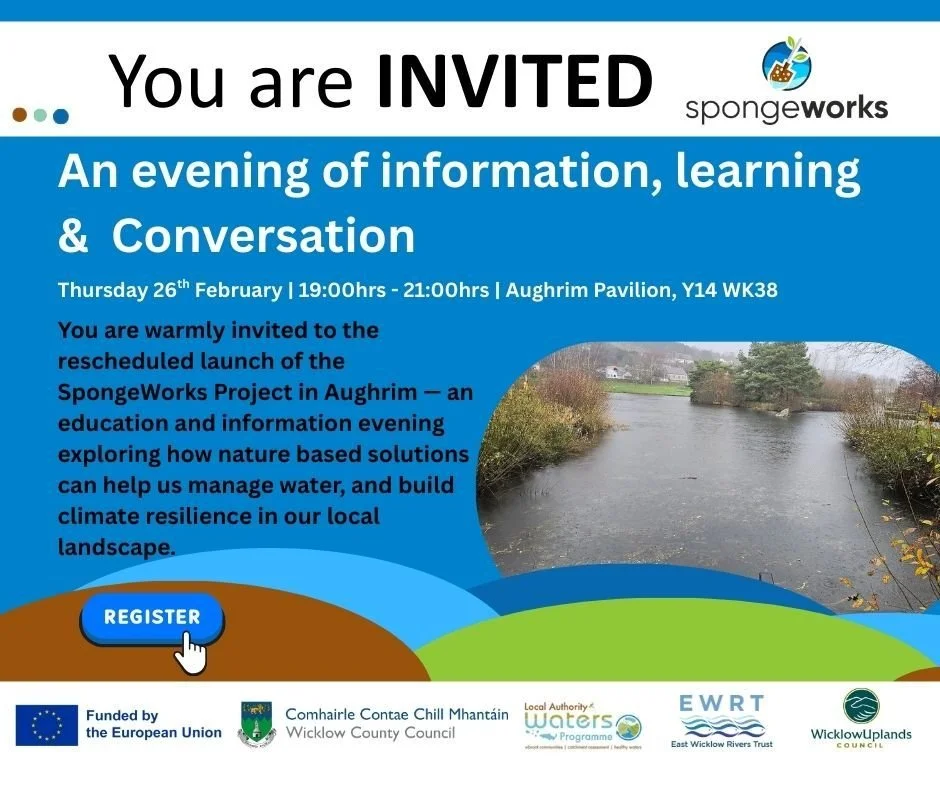
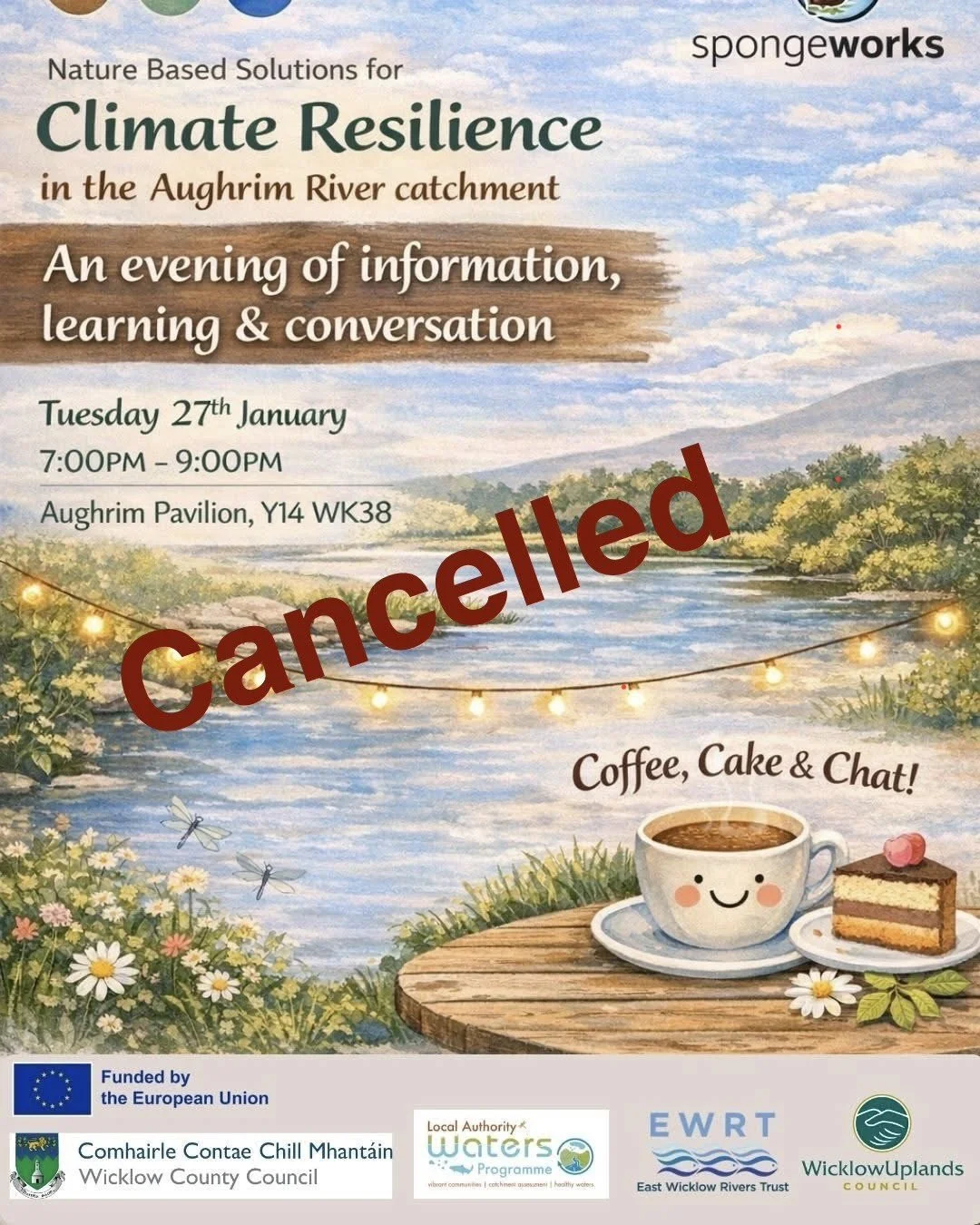
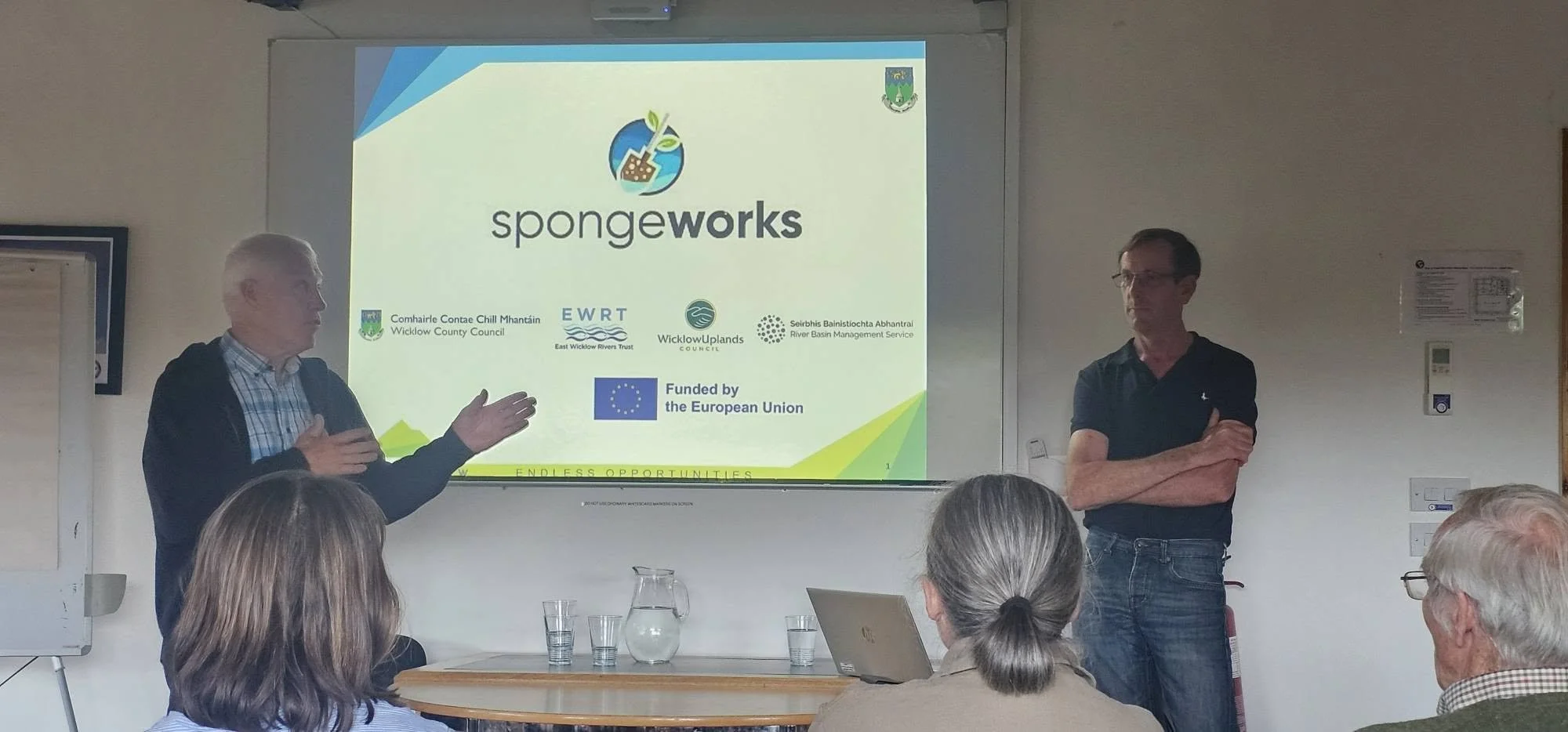
The Aughrim SpongeWorks project launch event was cancelled amid Storm Chandra flooding. Dr Mary Bourke joined RTÉ Prime Time to speak about the importance of nature-based flood resilience.
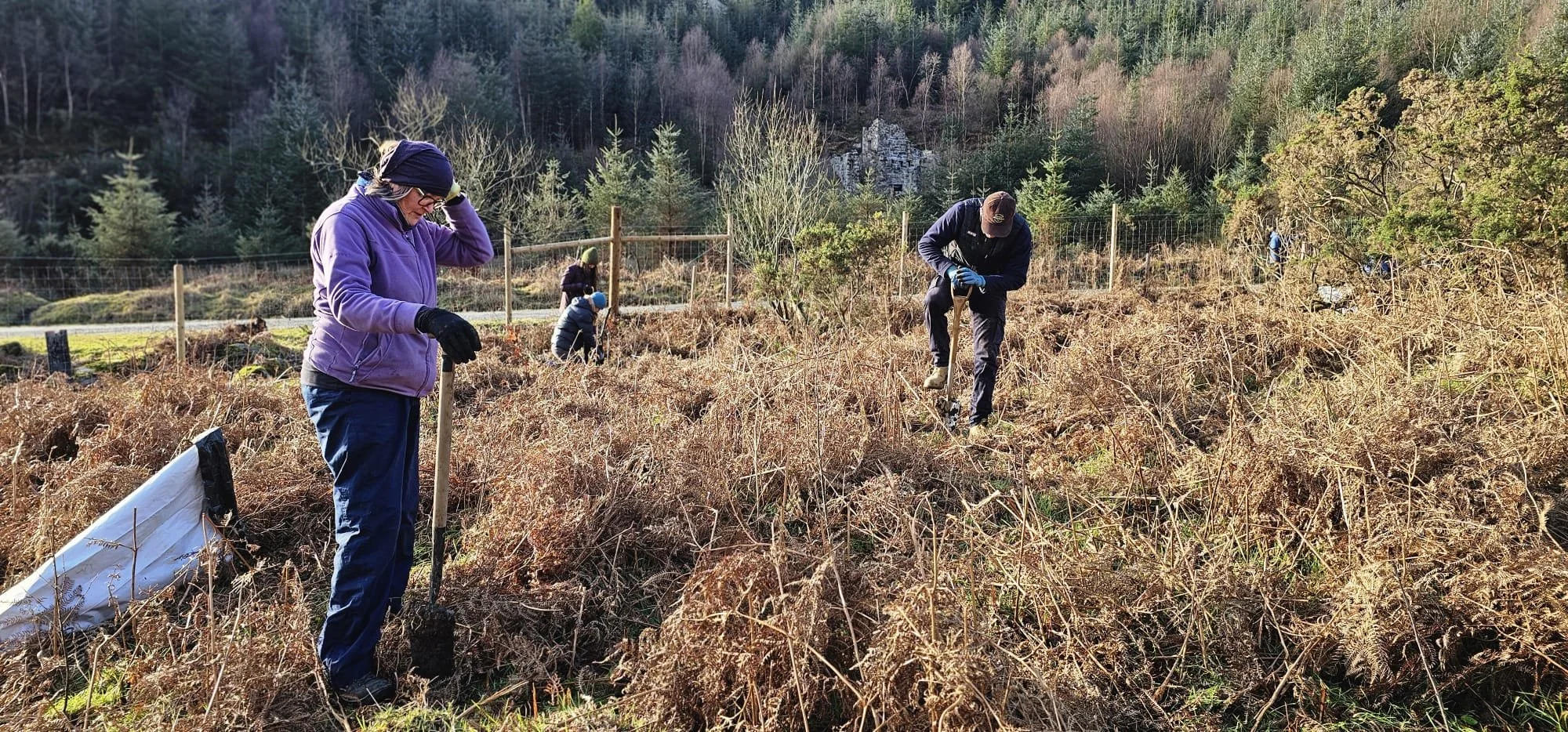
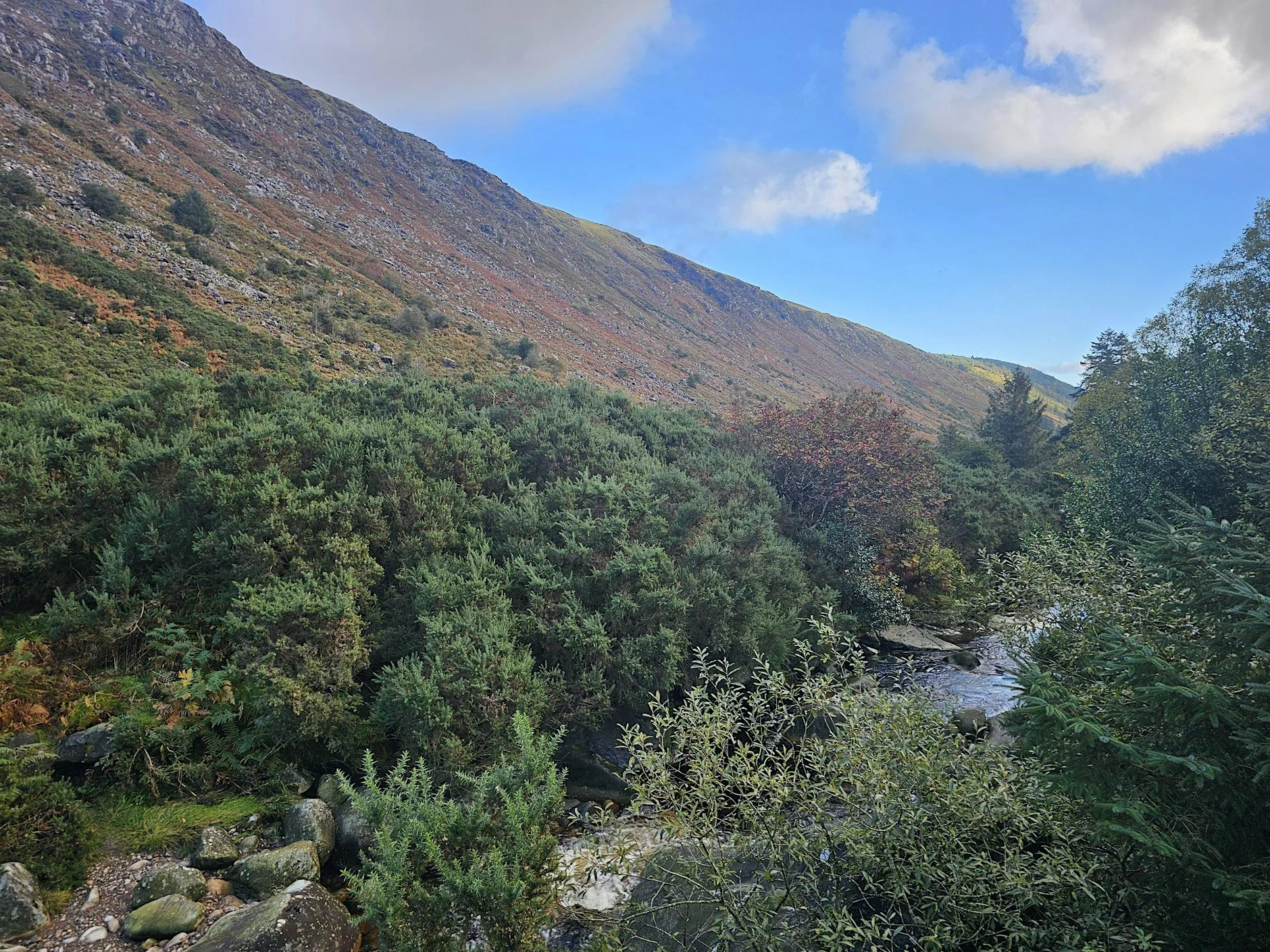
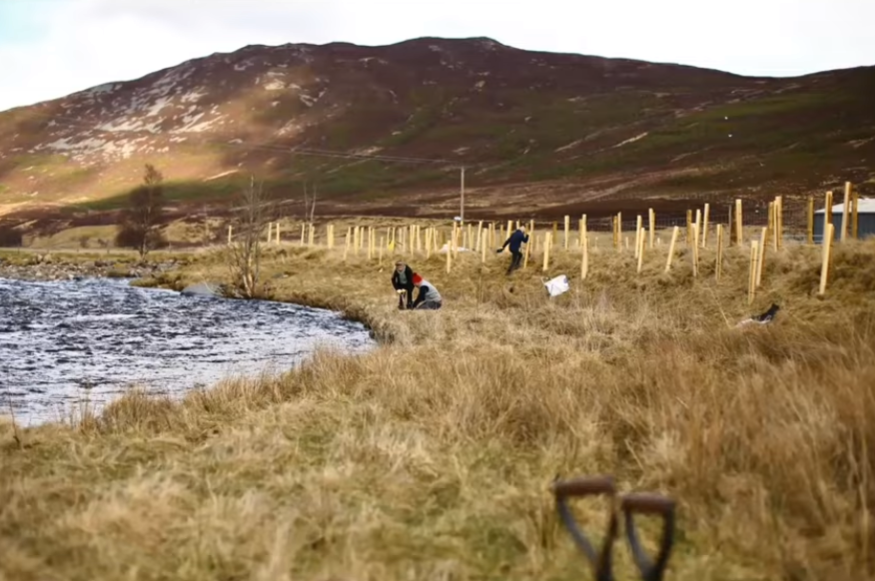
Volunteers united on the Avonbeg River in Glenmalure to plant over 1,000 native trees, boosting biodiversity, river health, and climate resilience. A day of community action and environmental impact that celebrated the power of working together to restore Wicklow’s riparian woodlands.
Great to see our event highlighted and mapped for World Dam Removal Day 8th October by Dam Removal Europe...
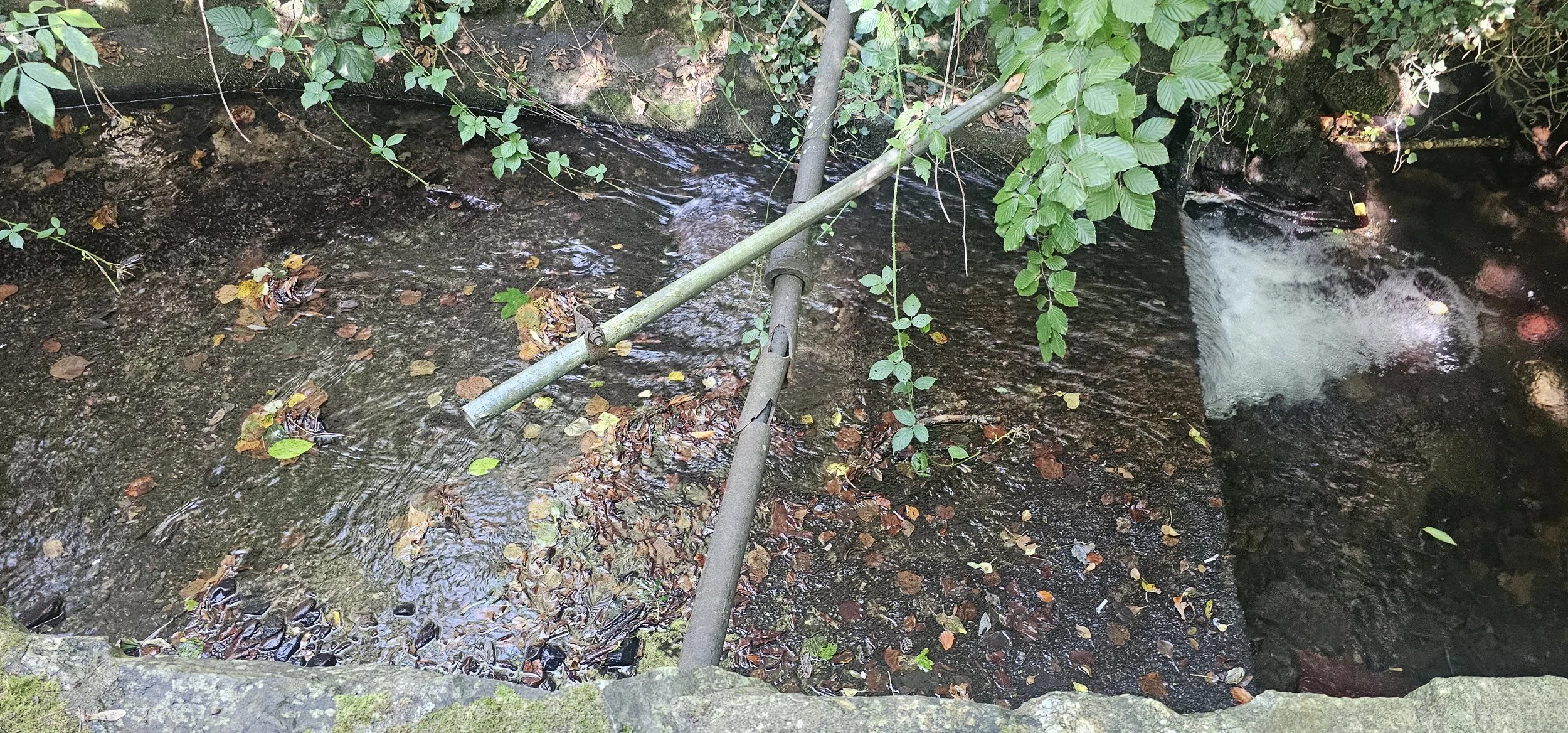
Ken Whelan joined Atlantic Salmon Trust colleague Jamie Gordon on RTE Radio 1’s CountryWide program to discuss the success of small but hugely impactful local projects such as Scotland’s River Deveron weir removal and our recent Ballinglen Barrier project in Wicklow.
Yesterday we enjoyed a very special day at Riverscapes in the Glencree Valley, a fantastic event “In a Field by the River” was hosted by The Shaking Bog funded by Local Authority Waters Programme…
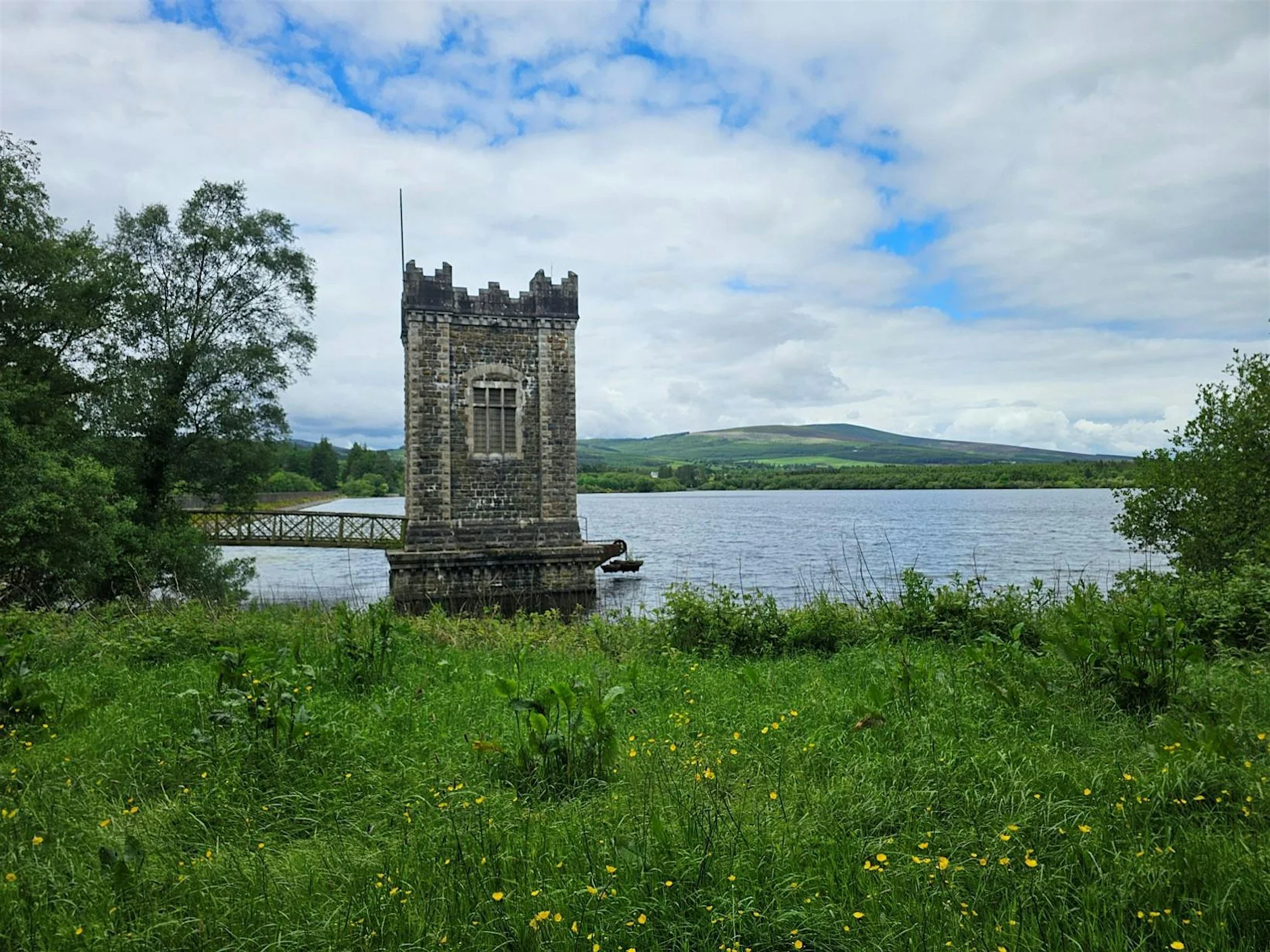
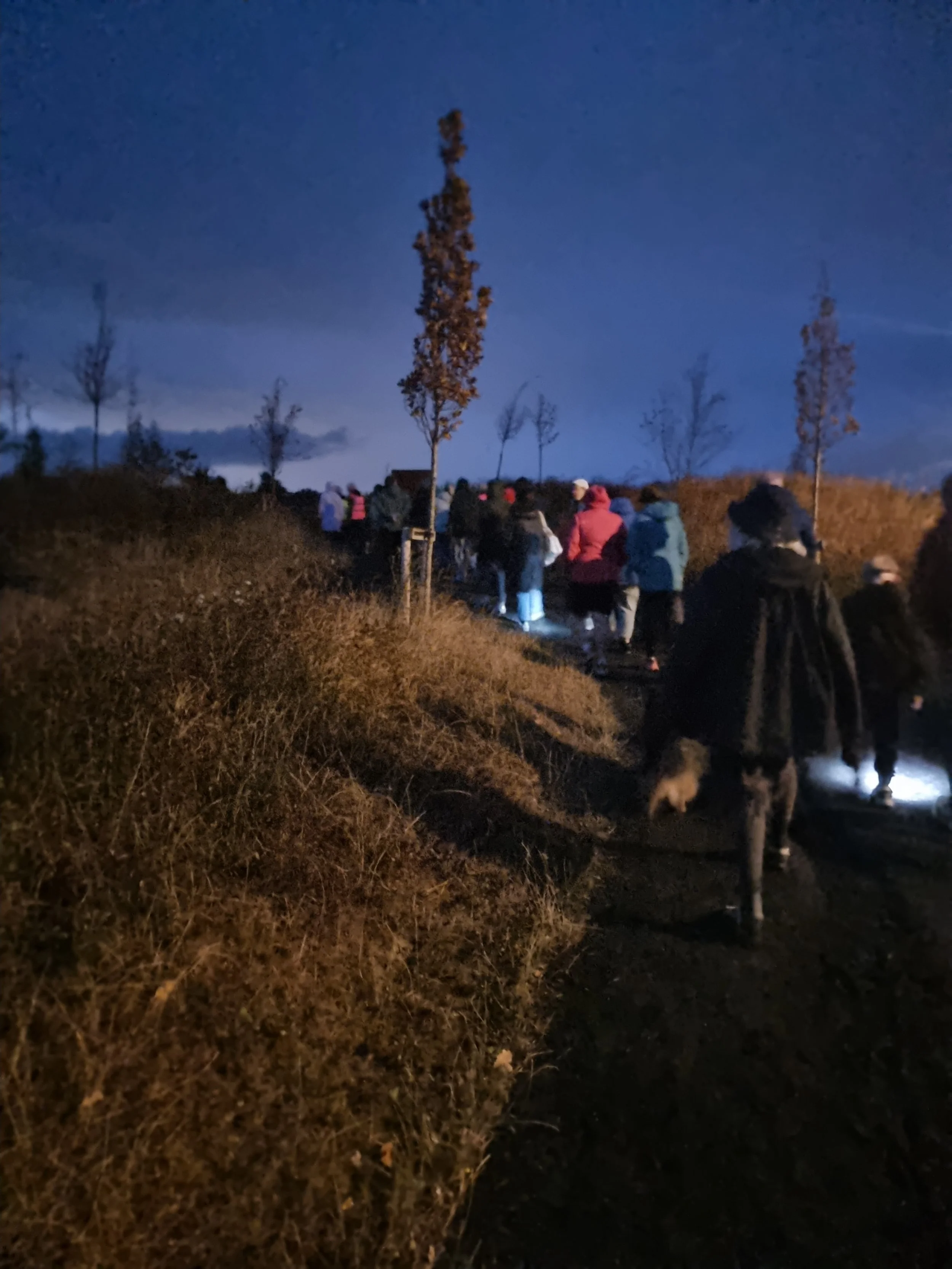
We had a beautiful evening and a fantastic turn out for our National Heritage Week birdwatching event at the Vartry Reservoir last night…
The Avonmore Catchment Collective enjoyed a beautiful day on the Avonbeg River in the Glenmalure Valley on the 21st July 2025.
We’re delighted to be partnering with Wicklow County Council, the Wicklow Uplands Council and LAWPRO to participate in an EU Horizon project which aims to improve how Europe manages water, land and climate risks.
Watch the webinar recording focused on our Upland Gully Woodland Community Climate Action Project for Earth Day 2025 in collaboration with Wicklow Uplands Council.
Our project to remove a barrier to fish migration has been published as a case study in a European context.
Removing a Barrier to Fish Migration - The Installation of a Rock Ramp at Ballinglen Bridge
On the Lyric Feature on Sunday 2nd February, poet Jane Clarke presented Where the River Rises. Here, through poetry and conversation with local ecologists and naturalists, she explored the Avonmore River in County Wicklow.
We’re delighted to share a detailed vision document for the Avoca and Avonmore catchment, prepared by Dr. Tom Harrington and Faith Wilson under the direction of East Wicklow Rivers Trust.
News
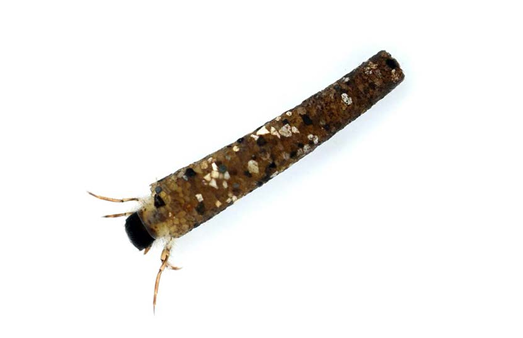
Discover the diverse aquatic invertebrates in the Avoca–Avonmore catchment — insects, crustaceans, snails, worms and more that form the foundation of freshwater food webs. Learn how species like mayflies, stoneflies and caddisflies signal water quality, support fish and reflect the ecological health of rivers and lakes across the catchment.
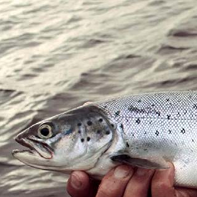
Explore the variety of fish species in the Avoca–Avonmore catchment — from brown trout, eel and lamprey in freshwater to migratory sea trout. Learn how river conditions, food availability and historic pressures like mining have shaped fish populations, and why restoring habitat and passage could help support salmon and other native species.
Learn about the rivers and lakes that shape the Avoca–Avonmore catchment — from upland, nutrient‑poor oligotrophic lakes like Lough Dan and Lough Tay to rivers flowing through rocky valleys. Understand how geology influences water chemistry and ecology, and why these interconnected waterbodies are important for biodiversity and landscape character.
Explore the rich biodiversity of the Avoca–Avonmore catchment across upland heaths, oak woodlands, wetlands and river valleys. Learn how protected sites like SACs and SPAs conserve habitats and wildlife including otters, birds and aquatic species, and how community and conservation actions contribute to resilient ecosystems across this diverse landscape.
Discover the Avoca River, formed at the Meeting of the Waters where the Avonmore and Avonbeg join and flowing to the Irish Sea at Arklow. Learn about its natural beauty, historic challenges from mining pollution, and the ecological importance of its headwaters and tributaries. The Avoca’s waters sustain habitats and communities across East Wicklow’s largest catchment.
Explore the Avonmore River, rising from Lough Dan in the Wicklow Mountains and flowing through wooded valleys before joining the Avonbeg at the Meeting of the Waters to form the Avoca. Discover its scenic route past Rathdrum and Avondale, its role in the catchment’s hydrology, and its importance for river habitats and local wildlife.
Learn about the Avonbeg River, a key tributary of the Avoca system rising in the Wicklow Mountains and flowing through Glenmalure before meeting the Avonmore at the Meeting of the Waters. Discover its ecological character, contribution to the catchment’s flow regime, and role in supporting freshwater habitats and native fish populations.
Explore the Cloghoge River, the most distant headwater of the Avoca catchment rising near the Sally Gap. Flowing from mountain slopes into Lough Tay and Lough Dan, it drains upland terrain shaped by granite and schist and contributes to the Avonmore system. This tributary supports upland river habitats and connects high mountain landscapes to catchment waters.
Discover the history and environmental impact of the Avoca Mines, once a major copper and sulphur mining area in Wicklow. Learn how historic mining altered landscapes, created spoil heaps, and continues to influence river water quality through acid mine drainage, affecting aquatic life. Explore how ongoing monitoring and remediation efforts aim to improve conditions in the Avoca River.