
A Powerful Reminder - The Aughrim SpongeWorks Project
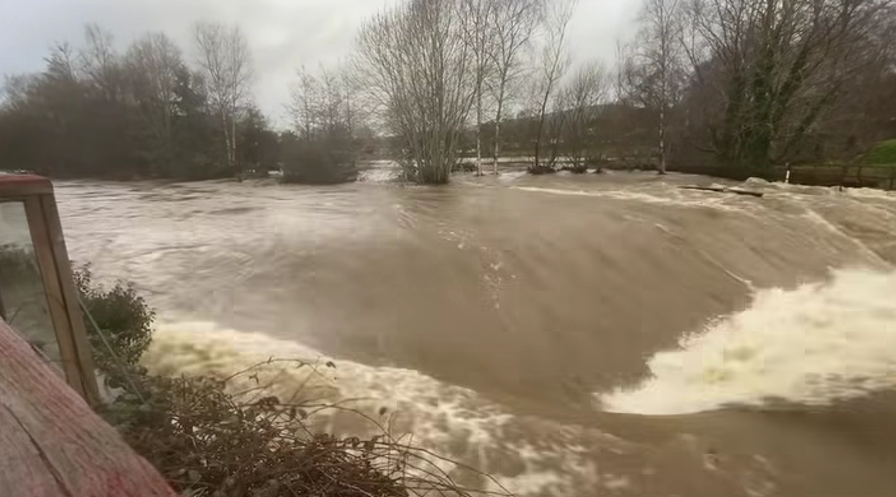
Image courtesy of Patrick Byrne
Working With Nature in Aughrim: The SpongeWorks Project
The Aughrim River catchment in County Wicklow has been selected as one of Europe’s demonstration sites for the EU-funded SpongeWorks project — an ambitious initiative exploring how landscapes can be restored to work more like a sponge, absorbing, slowing and storing water to reduce flood risk and build climate resilience. SpongeWorks focuses on nature-based solutions such as healthier soils, wetlands and re-connected river corridors. Rather than forcing water through channels as quickly as possible, the project asks a different question: how can we help water linger safely in the landscape, benefiting communities, biodiversity and water quality at the same time?
Wicklow is the only Irish region involved, with Wicklow County Council, Wicklow Uplands Council, East Wicklow Rivers Trust, River Basin Management Service (Formerly LAWPRO) and research partners working alongside local landowners and communities in the upper Aughrim catchment.
An Ironic Start — and a Powerful Reminder
Our public launch this week had to be cancelled due to Storm Chandra, which brought significant flooding to Aughrim and surrounding areas. The irony was not lost on anyone: a project focused on slowing water and reducing flood impacts disrupted by exactly the kind of extreme weather it seeks to address. In many ways, the storm served as a stark, real-time reminder of why SpongeWorks matters. Dr Mary Bourke, an environmental researcher and Professor of Geomorphology with Trinity College Dublin, appeared on RTÉ Prime Time (available to watch here), helping explain to a national audience how land management and nature-based approaches can play a role in reducing flood risk and adapting to climate change. Her contribution bridges the gap between research and lived experience — something communities like Aughrim know all too well.
The SpongeWorks project builds on this thinking, combining scientific evidence with local knowledge to test practical measures that can make catchments more resilient in the face of increasingly frequent storms and dry spells. While Storm Chandra delayed the formal launch, it strengthened the project’s purpose. SpongeWorks in Aughrim is about learning from events like these and working collaboratively to shape landscapes that protect people, support nature and are better prepared for the climate challenges ahead.
We would like to acknowledge the very real impacts of Storm Chandra on the Aughrim community and beyond. Our thoughts are with everyone affected by the flooding, particularly residents, businesses and landowners who experienced damage and disruption. These events underline the human cost of extreme weather and reinforce the importance of working together to build more resilient landscapes and communities.
A new launch date will be announced later in 2026 — with renewed urgency, and a shared understanding of what’s at stake.
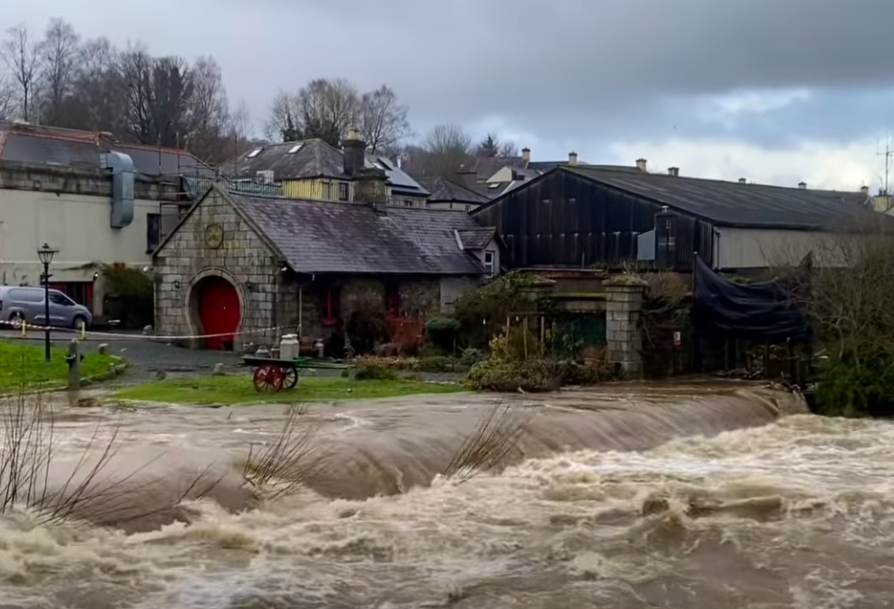
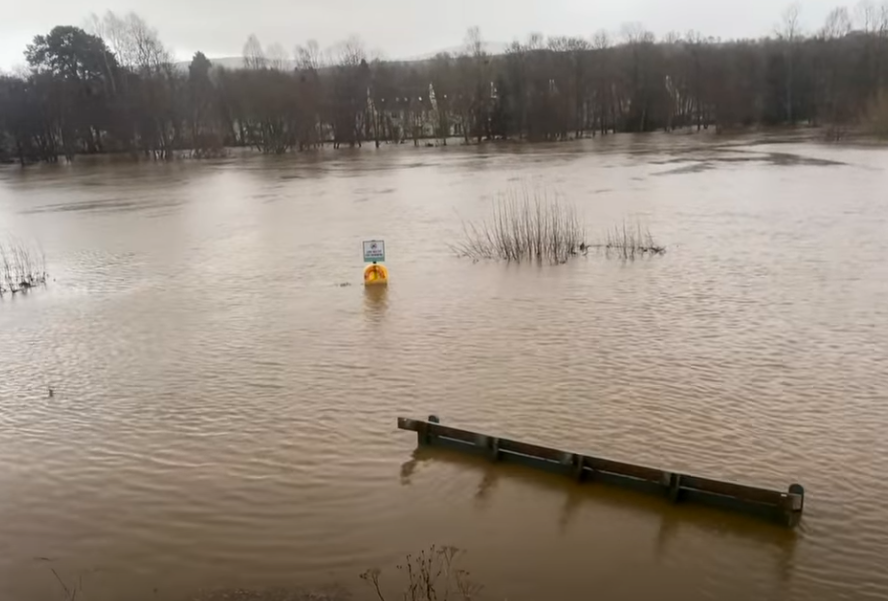
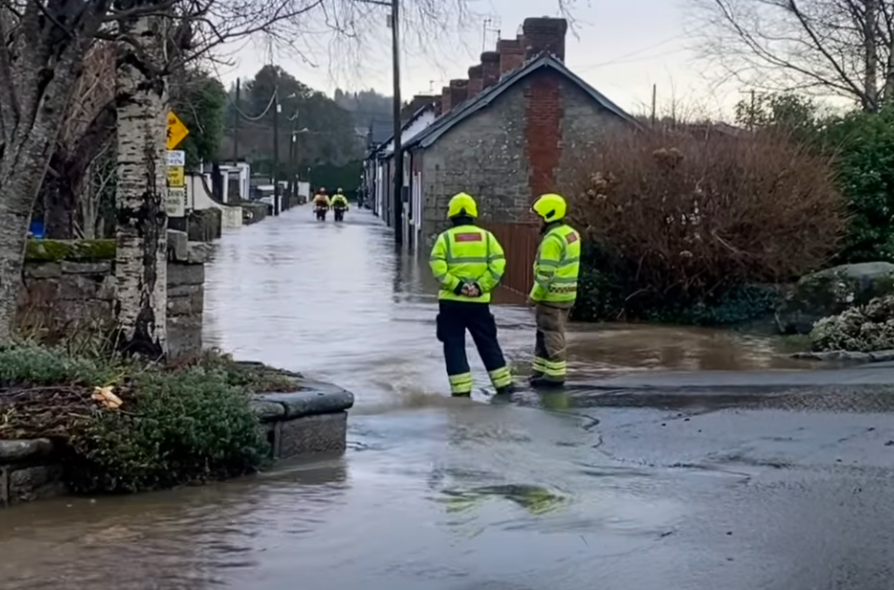
Images courtesy of Patrick Byrne